
在日系护肤品牌里,芳珂(FANCL)一直以“无添加”的清晰定位被消费者记住。对每天需要卸除彩妆与防晒的人来说,卸妆油是清洁流程里很关键的一步。这篇内容围绕芳珂净化卸妆油展开,从品牌背景、主要功效方向、具体使用步骤到注意事项逐项说明,帮助你判断它是否适合自己的日常清洁习惯。
芳珂(FANCL)是日本主打无添加理念的护肤品牌,产品以不含防腐剂、香料等著称,小容量包装与短保质期是其特色。这样的设计思路,是希望产品在开封之后能尽快用完,减少长期存放带来的不确定因素,也让使用节奏更接近“新鲜使用”的习惯。
净化卸妆油是品牌旗下的经典单品之一。它的定位并不是复杂的多效护理,而是把“把脸洗干净”这件事做扎实:主打以油溶油,卸除彩妆与防晒,乳化快、易冲洗,质地轻盈、不闷痘。对于习惯化全妆、日常涂防晒,或者担心卸妆不彻底导致毛孔堵塞的人来说,这类卸妆油属于流程中承上启下的一环。
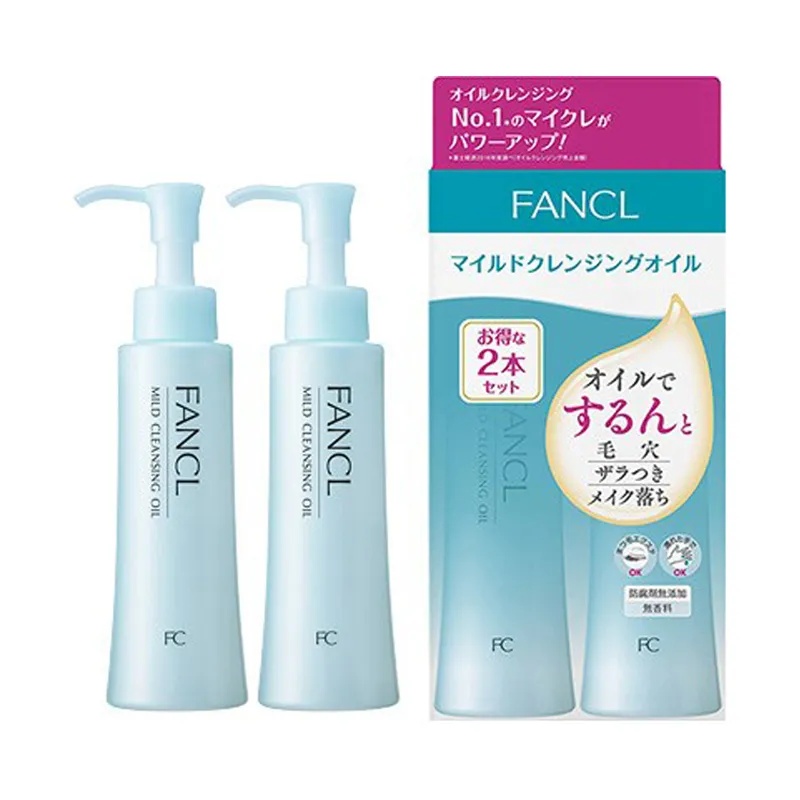
芳珂净化卸妆油产品图
需要说明的是,产品容量、价格以及具体成分含量百分比等信息,本篇不做推测,均以官方标注为准。不同批次的包装与说明也可能有细微调整,购买时建议查看瓶身与外盒标注。
按照产品要点,净化卸妆油的功效方向可以拆成几条来看,方便你对照自己的需求。
第一条,核心成分方向是“以油溶油”。彩妆中的粉底、遮瑕、防晒以及防水型眼唇产品,很多成分是油溶性或需要油脂来带走的。卸妆油通过油脂与彩妆充分接触、溶解,再借助乳化把包裹住的污垢带走,这是它卸妆力的基础逻辑。
第二条,主打彻底卸除彩妆与防晒。日常通勤即使不化浓妆,防晒也是需要认真卸除的步骤。产品宣称能应对日常彩妆与防晒的清洁需求,减少彩妆残留带来的负担。
第三条,乳化快、易冲洗。卸妆油的使用体验很大程度上取决于乳化是否充分。这款产品主打加水后能较快乳化成乳白色,再用清水就能冲净,不容易留下厚重的油膜感。
第四条,质地轻盈、不闷痘。这是很多用户在选择卸妆油时最关心的点。产品方向是轻薄的油感,延展性好,按摩时不拉扯皮肤,常见反馈是使用后不会有明显的黏腻残留,适合不喜欢厚重油感的人群。
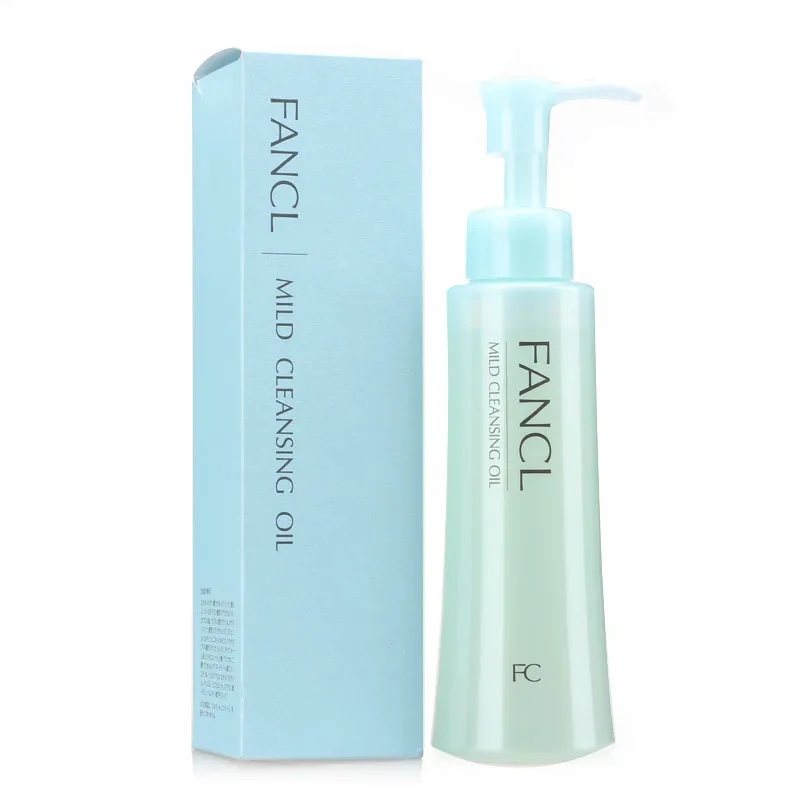
芳珂净化卸妆油质地展示产品图
第五条,适用肤质与场景。偏油性肌肤、混合性肌肤,以及日常有防晒或淡妆习惯的人,都可以把它纳入清洁流程;干性肌肤在使用后建议及时做好保湿。场景上,通勤淡妆、防晒日、需要快速完成卸妆的晚间流程都比较合适。至于能否解决毛孔、闭口等具体问题,需要结合整体清洁与护肤习惯,不能代替药品,也不能期待单一产品解决全部困扰。
正确的用法直接影响卸妆油的表现,建议按下面的步骤来。
第一步,保持干手干脸。取两到三泵卸妆油于掌心,注意手和脸都不要先沾水,否则油会提前乳化,影响溶解彩妆的效率。
第二步,上脸轻柔打圈。把油均匀涂在脸上,从彩妆较厚的部位开始,用指腹轻柔打圈溶解彩妆,整个过程大约三十秒。鼻翼、下巴、发际线这些容易忽略的位置可以多带几下,动作要轻,避免用力揉搓。
第三步,加水乳化。取少量温水拍在脸上,继续按摩,直到油体变成乳白色,这一步是让被溶解的彩妆随水离开的关键。
第四步,清水冲净。用清水彻底冲洗干净,尤其是发际线、下颌边缘和鼻翼两侧,避免残留。
第五步,按需二次清洁。之后可以根据自己的肤质与使用感受,选择是否再用洁面产品做一次清洁。偏油肌肤或化了较浓的妆时,二次清洁会更安心;干性肌肤则不必过度清洁。
芳珂净化卸妆油使用步骤产品图
用量与补用方面,如果妆容较浓,可以分两次卸:先卸全脸底妆,再针对眼唇局部取少量重复按摩。清洗方式以温水为宜,水温过高容易让皮肤紧绷。敏感肌或第一次使用的人,建议先在耳后或下颌局部做小范围测试,观察一两天没有不适再全脸使用;如果使用中出现明显刺痛、泛红或瘙痒,应立即停用并用清水冲洗干净。
使用与保存上有几点需要留意。瓶口要保持干燥,避免进水,因为水分进入瓶中可能影响产品状态;每次取用后及时盖紧瓶盖。产品开封后应尽快用完,这也与品牌小容量、短保质期的设计思路一致。
不适合的情况包括:皮肤正处于明显破损、红肿或不适状态时,建议暂停使用;对产品中任何成分有过敏史的人应避免使用;眼睛周围使用时注意避开入眼,如不慎入眼需用大量清水冲洗。
避坑提醒:不要把卸妆油当成按摩油长时间停留在脸上,也不要用湿手取用;不要因为“油”字就担心闷痘,关键在于是否充分乳化并彻底冲净。另外,卸妆油的作用是清洁,不能代替药品,皮肤出现持续不适时应及时寻求专业帮助。
总体来看,芳珂净化卸妆油是一款定位清晰、用法简单的日常卸妆产品。它把重点放在以油溶油、快速乳化与轻盈肤感上,适合有防晒或淡妆习惯、希望卸妆步骤干净利落的人。如果你的肤质偏油或容易在意残留感,可以重点感受它的乳化与冲洗表现;如果皮肤偏干或较为敏感,则建议配合温和的后续保湿,并先做局部测试。容量、价格与成分含量等具体信息,仍以官方标注为准。
Among Japanese skincare brands, FANCL is remembered for a clear positioning: no additives. For anyone who removes makeup and sunscreen every day, cleansing oil is a key step in the cleansing routine. This article focuses on FANCL Cleansing Oil, explaining the brand background, the main benefit directions, the specific usage steps and the precautions, to help you judge whether it suits your daily cleansing habits.
FANCL is a Japanese skincare brand built around the concept of no additives. Its products are known for containing no preservatives or fragrance, and small packaging with a short shelf life is one of its signatures. The idea behind this design is to finish a product soon after opening, reducing the uncertainty that comes with long storage and keeping usage closer to a fresh-use habit.
FANCL Cleansing Oil is one of the brand's classic items. Its positioning is not complicated multi-effect care but doing the cleansing job solidly: it is mainly designed to dissolve oil with oil, remove makeup and sunscreen, emulsify quickly and rinse easily, and it has a light texture that does not feel suffocating. For people who wear full makeup, apply sunscreen daily, or worry that incomplete cleansing may clog pores, this type of cleansing oil is a linking step in the routine.
Note that details such as product volume, price and specific ingredient percentages are not guessed here; please refer to official labeling. Packaging and instructions may also vary slightly between batches, so check the bottle and the outer box when purchasing.
According to the product highlights, the benefit directions of this cleansing oil can be broken down into several points, making it easier to compare them with your own needs.
First, the core ingredient direction is dissolving oil with oil. Many ingredients in foundation, concealer, sunscreen and waterproof eye and lip products are oil-soluble or need oils to lift them away. A cleansing oil lets the oil fully contact and dissolve the makeup, then uses emulsification to carry away the wrapped impurities. This is the basic logic behind its cleansing power.
Second, it is designed to thoroughly remove makeup and sunscreen. Even if you do not wear heavy makeup on a daily commute, sunscreen is still a step that needs to be cleansed carefully. The product claims to handle the cleansing needs of everyday makeup and sunscreen, reducing the burden left by makeup residue.
Third, it emulsifies quickly and rinses easily. The experience of using a cleansing oil depends heavily on whether it emulsifies fully. This product is designed to turn milky white fairly quickly after water is added, and then rinse clean with water, without leaving a heavy oily film behind.
Fourth, the texture is light and does not feel suffocating. This is the point many users care about most when choosing a cleansing oil. The product direction is a thin oil feel with good spreadability, so massage does not drag the skin, and common feedback is that there is no obvious sticky residue after use, which suits people who dislike heavy oiliness.
Fifth, suitable skin types and scenarios. Oily skin, combination skin, and people who use sunscreen or light makeup daily can all include it in their cleansing routine; those with dry skin are advised to moisturize promptly after use. In terms of scenarios, a light commuting makeup look, a sunscreen day, or an evening routine that needs quick makeup removal are all suitable. As for whether it can solve specific concerns such as pores or closed comedones, that depends on your overall cleansing and skincare habits; it cannot replace medicine, and you should not expect a single product to solve every problem.
Correct use directly affects how a cleansing oil performs, so follow the steps below.
Step one, keep hands and face dry. Take two to three pumps of cleansing oil into your palm, and be careful that neither hands nor face are wet first, otherwise the oil will emulsify too early and the efficiency of dissolving makeup will be affected.
Step two, massage gently in circles on the face. Spread the oil evenly over the face, start with the areas where makeup is heavier, and use your fingertips to gently massage in circles to dissolve the makeup, for about thirty seconds in total. Areas that are easily missed, such as the sides of the nose, the chin and the hairline, can get a few extra passes, but keep the movements light and avoid rubbing hard.
Step three, add water to emulsify. Pat a small amount of warm water onto the face and continue massaging until the oil turns milky white. This step is the key to letting the dissolved makeup leave with the water.
Step four, rinse clean with water. Rinse thoroughly with water, especially the hairline, the edges of the jaw and the sides of the nose, to avoid residue.
Step five, do a second cleanse as needed. Afterwards, depending on your skin type and how it feels, you can choose whether to use a facial cleanser for another cleanse. For oily skin or heavier makeup, a second cleanse feels more reassuring; for dry skin, there is no need to over-cleanse.
As for amount and re-application, if your makeup is heavier you can cleanse in two rounds: first remove the base makeup all over the face, then take a small amount again and repeat the massage on the eye and lip areas. Warm water is preferable for rinsing; water that is too hot can make the skin feel tight. Those with sensitive skin or first-time users are advised to do a small patch test behind the ear or along the jaw, and only use it on the whole face after observing no discomfort for a day or two. If obvious stinging, redness or itching occurs during use, stop using it immediately and rinse thoroughly with water.
There are a few things to keep in mind for use and storage. Keep the bottle opening dry and prevent water from getting in, since water entering the bottle may affect the product's condition; close the cap tightly after each use. The product should be used up as soon as possible after opening, which is also consistent with the brand's design idea of small packaging and a short shelf life.
Situations where it is not suitable include: when the skin is clearly broken, red and swollen, or uncomfortable, it is advisable to pause use; people with a history of allergy to any ingredient in the product should avoid it; when using around the eyes, be careful to avoid getting it into the eyes, and if it accidentally gets in, rinse with plenty of water.
Pitfall reminders: do not treat the cleansing oil as a massage oil and leave it on the face for a long time, and do not take it with wet hands; do not worry about suffocating the skin just because of the word oil, since the key is whether it is fully emulsified and thoroughly rinsed. In addition, the role of a cleansing oil is cleansing, and it cannot replace medicine; if the skin shows persistent discomfort, seek professional help promptly.
Overall, FANCL Cleansing Oil is a daily makeup remover with a clear positioning and a simple method of use. It focuses on dissolving oil with oil, fast emulsification and a light skin feel, and it suits people who use sunscreen or light makeup and want a clean, efficient cleansing step. If your skin is on the oily side or you care about any feeling of residue, pay attention to how it emulsifies and rinses; if your skin is drier or more sensitive, pair it with gentle follow-up moisturizing and do a patch test first. Specific information such as volume, price and ingredient content is still subject to official labeling.
文章转载于网络,如果侵犯到你和他人的权益请联系管理删除。
以上是「芳珂净化卸妆油全解析:功效方向、使用步骤与适合人群」的详细信息,由:noxa20.cn 泰国noxa20代购网整理,如果您对「芳珂净化卸妆油全解析:功效方向、使用步骤与适合人群」的信息有什么疑问,请与我们进行进一步联系,获取「芳珂净化卸妆油全解析:功效方向、使用步骤与适合人群」的更多信息。






 咨询客服