
Lolane 是泰国Siam本土的头发护理品牌,在当地的超市和药妆店铺货比较广,属于走进便利店、超市就能顺手带走的那类日化洗护。这次聊的是它家 Nature Code 系列的洗发露,注意是洗发水,不是同品牌的护发精油,也不是发膜,三者在洗护流程里各管一段,别买混了。这一系列会根据不同发质分出不同版本,比如草本健发控油去屑款,思路是把清洁重点放在头皮上,同时兼顾发丝状态。产品定位偏日常洗护,主打温和清洁头皮、控油去屑和改善发质方向,属于可以长期放在浴室里天天用的类型,而不是偶尔想起来才用一次的特别护理。因为泰国تايلاند天气常年偏热,头皮出油、闷、痒的情况比较常见,这类清爽路线的洗发水在当地接受度一直不错,也常被当作旅行伴手礼带回。需要说明的是,它是日化洗护产品,不能代替药品,头皮如果有明显问题还是要去正规渠道咨询专业人士。
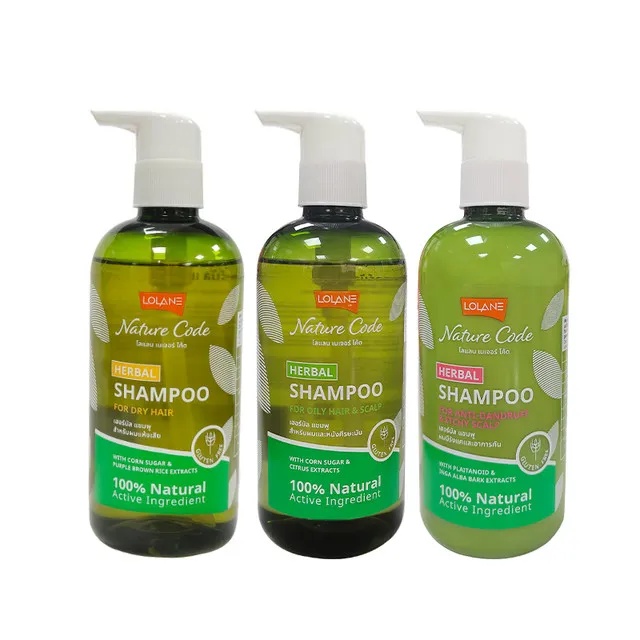
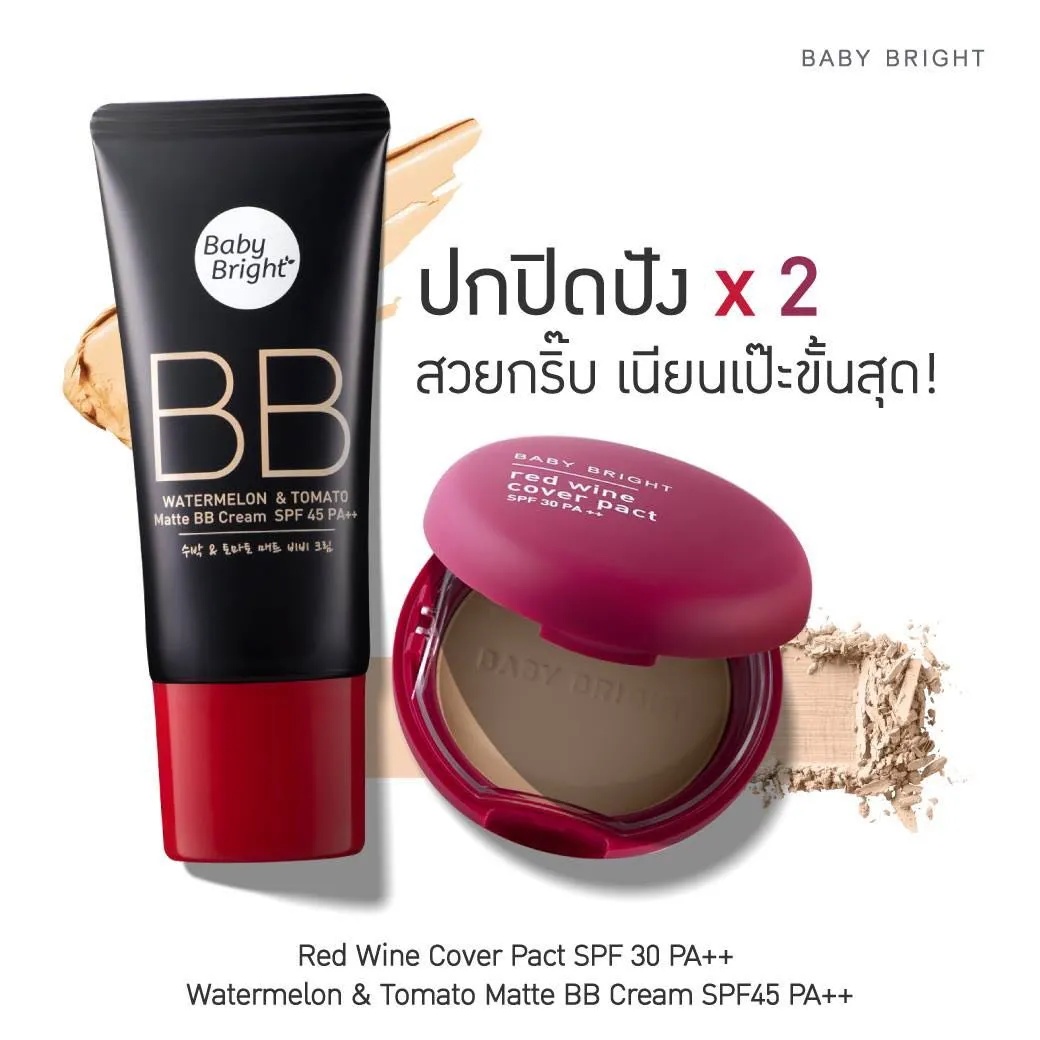
Lolane Nature Code 系列洗发水产品图
从核心成分方向看,这一系列走的是草本概念路线,主打用植物来源的清洁与调理思路来应付头皮困扰,具体成分表和添加比例以官方标注为准。它宣称的方向主要有三块:一是温和清洁头皮,起泡后带走多余油脂和日常附着物,洗感不追求那种搓到发涩的强清洁;二是控油去屑,针对头皮容易出油、有头屑困扰的人群,做日常的清洁维护;三是改善发质方向,让洗后的头发更好梳理、看起来更清爽。这里说的是主打和宣称,不是功效承诺,个体感受会有差异。
从适用肤质和场景看,油性发质、混合性发质、头皮容易闷和出油的人比较对口,尤其适合气温高、出汗多、戴帽子或头盔之后头皮不清爽的日常场景;头发细软、容易塌的人也会偏爱这种清爽路线。干性发质用起来可能觉得发尾偏干,需要靠护发素或发膜补回来。至于能解决什么问题,主要是日常的头皮油腻感、洗后不久就塌、头皮屑带来的尴尬,以及发丝看起来不够干净利落。它属于日常舒缓与清洁维护,不能代替药品,如果头皮出现明显的红、痛、脱屑成片等情况,别指望洗发水解决。
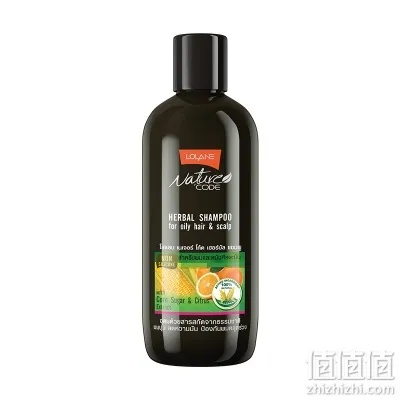
Lolane 洗发水不同发质版本产品图
步骤一:先把头发彻底打湿,水温不要过高,接近体温的温水就够了,太烫容易让头皮更干、出油反而更明显。步骤二:取适量洗发水在掌心,先加一点水揉搓起泡,再把泡沫带到头发和头皮上,不要直接把原液堆在头顶。用量按发量和长度调整,短发少一点,长发多一点,具体用量以官方标注为准。
步骤三:用指腹轻柔按摩头皮一到两分钟,重点在头顶、发际线和后脑勺这些容易积油的位置,用指腹画圈,不要用指甲抓。步骤四:用清水冲净,确认发根和耳后没有残留。油性发质可以重复清洗一次,第二次通常泡沫更丰富,按摩时间可以短一些。步骤五:护发素或发膜只涂在发中到发尾,避开头皮,停留片刻后冲净;这一步不是必须,但干性发质和长发建议加上,能让发尾更顺。
使用顺序上,就是洗发水在前、护发素或发膜在后,两者不要混着一起用。补用方面,如果当天出汗多或者用了造型产品,可以按需再洗一次,但不建议一天反复多次清洗头皮。洗后要及时吹干,尤其是晚上洗头,发根不吹干容易着凉,头皮长时间潮着也不舒服。敏感头皮第一次用,建议先在耳后或手腕内侧做个小范围测试,确认没有不适再正常洗;洗的过程中如果出现刺痛、发痒加重等情况,立即用清水冲净并停用。
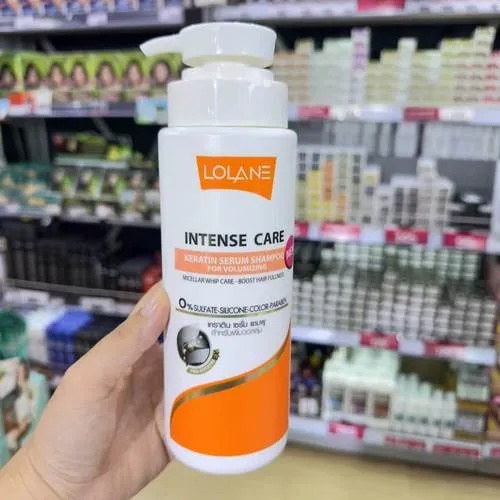
Lolane 洗发水起泡与冲洗使用步骤产品图
禁忌方面,头皮有破损、明显红肿或正在不适期的时候先别用,等状态稳定再说;对成分表里任何一项已知敏感的人,用前务必看一遍全成分。这是外用洗护产品,不能代替药品,也不要用它去处理需要专业判断的头皮问题。保存上,放在阴凉干燥处,避免阳光直晒和高温,洗澡时别长期放在会被水直冲的位置;开封后按包装提示的期限用完,具体以官方标注为准。每次用完把瓶口擦干净、盖紧,防止进水变质。
避坑提醒几条:第一,别把护发素当洗发水用,也别把护发素涂到头皮上,容易让发根更塌更油。第二,不要为了追求清爽感用过烫的水或者用力抓挠,短期爽、长期头皮更难受。第三,别频繁更换洗发水,给头皮一点适应时间。第四,购买时认准渠道,泰国थाईलैंड超市和药妆店铺货广,代购渠道留意包装与批号。适合人群上,油性发质、容易出油塌发、有日常头屑困扰、喜欢清爽洗感的人比较合适;干性发质可以搭配滋润型护发产品一起用;头皮敏感的人先做测试;孕期或对气味敏感的人,建议先闻一下再决定。
总体评价:Lolane 这款洗发水属于定位清楚的日常洗护,草本概念、头皮清洁、控油去屑这条路走得比较稳,不夸张也不花哨。它的价值在于好买、好用、步骤简单,适合把头皮清洁当成日常习惯的人长期放在浴室里。如果你正在找一款泰国תאילנד本土、清爽路线、价格友好的洗发水,可以把它列入备选;如果你的诉求是修复严重受损发质或者处理头皮问题,那它只能做基础清洁这一步,别抱太高期待。用对方法、配对护发产品,体验会更稳定。
Lolane is a Thai local hair care brand, widely stocked in Thai supermarkets and drugstores, the kind of everyday personal care product you can pick up on a quick run to the convenience store. What we are discussing here is the shampoo from its Nature Code line. Note that this is a shampoo, not the brand's hair oil and not its hair mask; the three play different roles in a wash routine, so don't mix them up. The line is divided into versions for different hair types, such as a herbal strengthening, oil-control and anti-dandruff version, with the idea of focusing cleansing on the scalp while also caring for the hair strands. The product positioning is everyday washing and care,主打 gentle scalp cleansing, oil control, anti-dandruff and hair condition improvement; it is the type you can keep in the bathroom and use daily, rather than a special treatment you reach for occasionally. Because the weather in Thailand is hot most of the year, oily, stuffy and itchy scalps are common, so this fresh-feeling route has long been well accepted locally and is often taken home as a travel souvenir. It should be noted that this is a daily cosmetic hair care product and cannot replace medicine; if the scalp has an obvious problem, consult a professional through proper channels.
In terms of core ingredient direction, the line follows a herbal concept,主打 plant-derived cleansing and conditioning approaches to deal with scalp concerns; the exact ingredient list and inclusion levels are subject to the official label. It claims three main directions: first, gentle scalp cleansing, lifting excess oil and everyday residue after lathering, without pursuing the squeaky-stripped feeling of harsh cleansing; second, oil control and anti-dandruff, providing daily cleansing maintenance for people whose scalps get oily easily or who are troubled by dandruff; third, improving hair condition, making hair easier to comb and look fresher after washing. What is described here is the positioning and claims, not a promise of results, and individual experience will vary.
In terms of suitable hair types and scenarios, it fits oily hair, combination hair and people whose scalps get stuffy and greasy easily, especially for daily situations in hot weather, after sweating a lot, or after wearing a hat or helmet, when the scalp no longer feels fresh; people with fine, limp hair also tend to prefer this fresh route. Dry hair types may find the ends a little dry and need to make up for it with conditioner or a hair mask. As for what problems it addresses, it mainly handles the everyday feeling of scalp greasiness, hair that collapses soon after washing, the awkwardness of dandruff, and hair that does not look clean and neat. It is for daily soothing and cleansing maintenance and cannot replace medicine; if the scalp shows obvious redness, pain or widespread flaking, do not expect a shampoo to solve it.
Step one: wet the hair thoroughly, without using water that is too hot; lukewarm water close to body temperature is enough, since overly hot water can make the scalp drier and oiliness more obvious. Step two: take a suitable amount of shampoo in the palm, add a little water and rub to lather, then bring the foam to the hair and scalp instead of piling the neat product on top of the head. Adjust the amount according to hair volume and length, less for short hair and more for long hair; the specific amount is subject to the official label.
Step three: gently massage the scalp with the fingertips for one to two minutes, focusing on the crown, hairline and the back of the head where oil accumulates, moving in small circles with the fingertips rather than scratching with nails. Step four: rinse thoroughly with clean water and make sure there is no residue at the roots or behind the ears. Oily hair types can repeat the wash once; the second round usually lathers more richly and the massage can be shorter. Step five: apply conditioner or hair mask only from the mid-lengths to the ends, avoiding the scalp, leave it for a moment and rinse; this step is not mandatory, but dry hair types and long hair are advised to add it so the ends feel smoother.
In terms of order, shampoo comes first and conditioner or hair mask comes after; do not mix the two together. As for repeat use, if you have sweated a lot or used styling products that day, you can wash again as needed, but it is not advisable to wash the scalp repeatedly many times in one day. Dry the hair promptly after washing, especially when washing at night; if the roots are not dried, you can easily catch a chill, and a scalp that stays damp for a long time is uncomfortable. When using it for the first time on a sensitive scalp, it is advisable to do a small patch test behind the ear or on the inner wrist first, and only wash normally once you confirm there is no discomfort; if stinging or worsening itchiness occurs during washing, rinse immediately with clean water and stop using it.
As for contraindications, do not use it while the scalp is broken, obviously red and swollen, or in an uncomfortable phase; wait until the condition is stable. Anyone known to be sensitive to any item on the ingredient list must read the full ingredient list before use. This is an external hair care product and cannot replace medicine, nor should it be used to deal with scalp problems that require professional judgment. For storage, keep it in a cool, dry place, away from direct sunlight and high temperatures, and do not leave it for long in a spot where shower water hits it directly; use it up within the period indicated on the packaging after opening, subject to the official label. Wipe the bottle mouth clean and close it tightly after each use to prevent water from getting in and spoiling it.
A few pitfalls to avoid: first, do not use conditioner as shampoo, and do not apply conditioner to the scalp, as it easily makes the roots limper and greasier. Second, do not use overly hot water or scratch hard in pursuit of a fresh feeling; it feels good briefly but leaves the scalp worse in the long run. Third, do not switch shampoos too frequently; give the scalp some time to adapt. Fourth, buy from reliable channels; the brand is widely stocked in Thai supermarkets and drugstores, and when buying through a proxy, check the packaging and batch number. In terms of who it suits, it is a good fit for oily hair, hair that gets greasy and limp easily, people troubled by everyday dandruff, and those who like a fresh wash feeling; dry hair types can pair it with moisturizing hair care products; people with sensitive scalps should test first; and those who are pregnant or sensitive to fragrance are advised to smell it before deciding.
Overall assessment: this Lolane shampoo is a clearly positioned everyday hair care product; the herbal concept, scalp cleansing and oil-control, anti-dandruff route is fairly steady, neither exaggerated nor flashy. Its value lies in being easy to buy, easy to use and simple in steps, suitable for people who treat scalp cleansing as a daily habit and want to keep it in the bathroom long term. If you are looking for a Thai local, fresh-route, budget-friendly shampoo, you can put it on your shortlist; if your goal is repairing severely damaged hair or dealing with scalp problems, then it can only serve as the basic cleansing step, so do not expect too much. Use it correctly and pair it with the right conditioning products, and the experience will be more consistent.
文章转载于网络,如果侵犯到你和他人的权益请联系管理删除。
以上是「Lolane洗发水全解析:泰国本土控油去屑洗护怎么用」的详细信息,由:noxa20.cn 泰国noxa20代购网整理,如果您对「Lolane洗发水全解析:泰国本土控油去屑洗护怎么用」的信息有什么疑问,请与我们进行进一步联系,获取「Lolane洗发水全解析:泰国本土控油去屑洗护怎么用」的更多信息。






 咨询客服