
尿酸结晶不仅沉积在关节,也损伤肾脏。痛风患者必须重视肾功能保护,NOXA20使用者尤其注意。
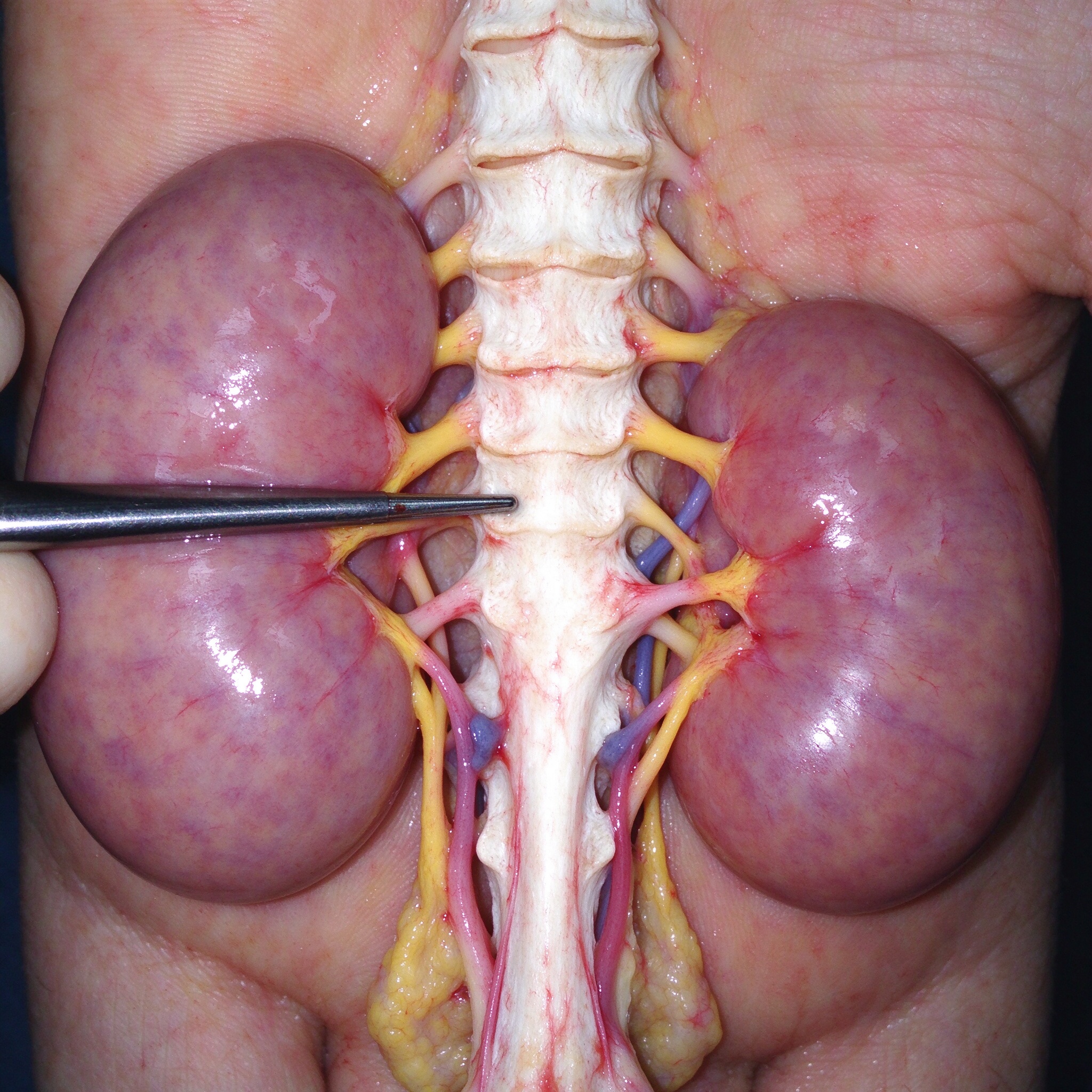
▲肾脏与尿酸
【尿酸排泄】约70%的尿酸通过肾脏排泄。高尿酸血症时,尿酸结晶沉积在肾小管和间质,引起慢性间质性肾炎。
【尿酸性肾结石】尿酸在泌尿道形成结石。表现为腰痛、血尿、肾绞痛。痛风患者肾结石发生率约10-20%。
【肾功能监测】痛风患者应定期检测血肌酐、尿素氮、尿常规。早期发现肾损伤。
【保护肾脏】多喝水(每日2升以上)、控制血压、避免滥用止痛药(包括NSAID)、不憋尿。
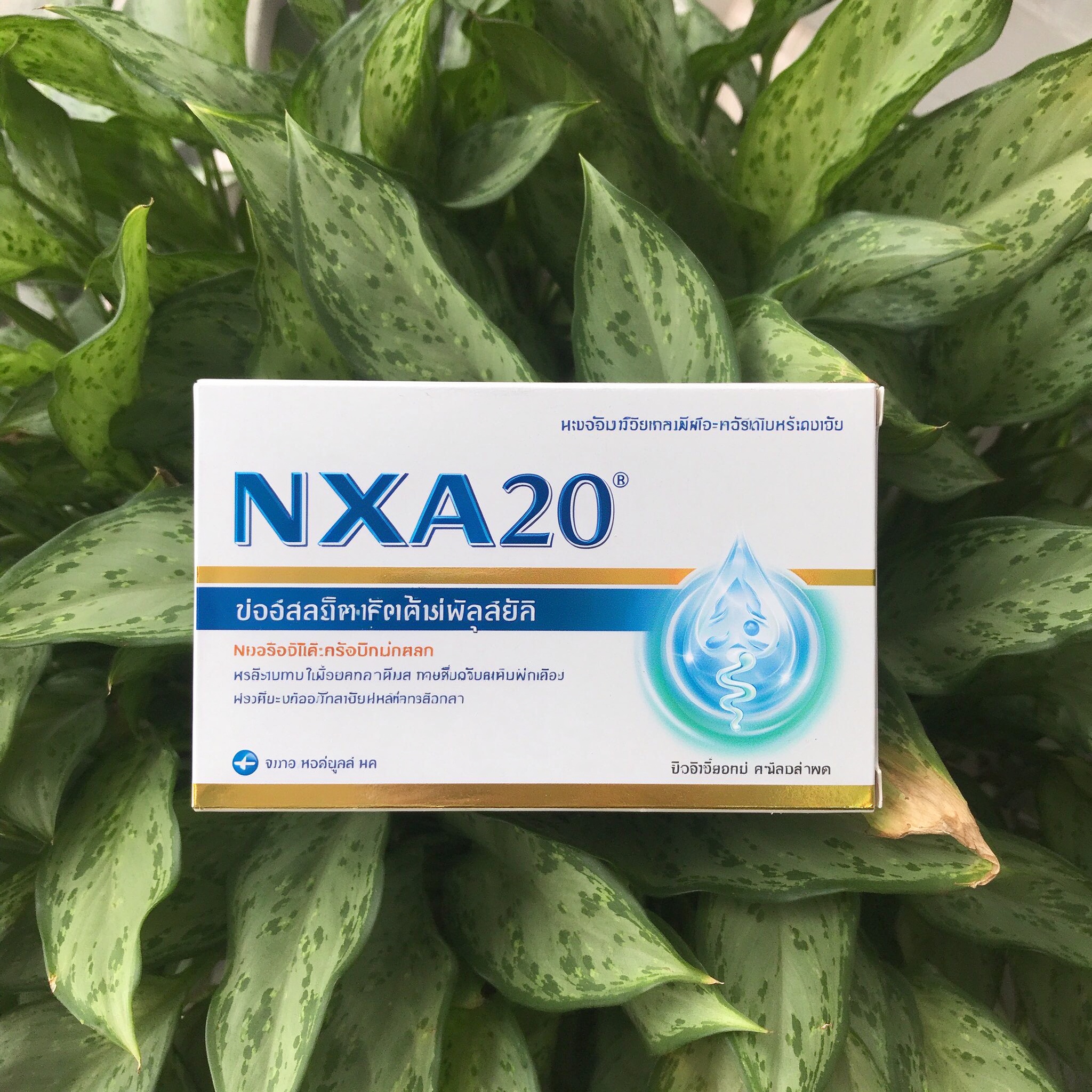
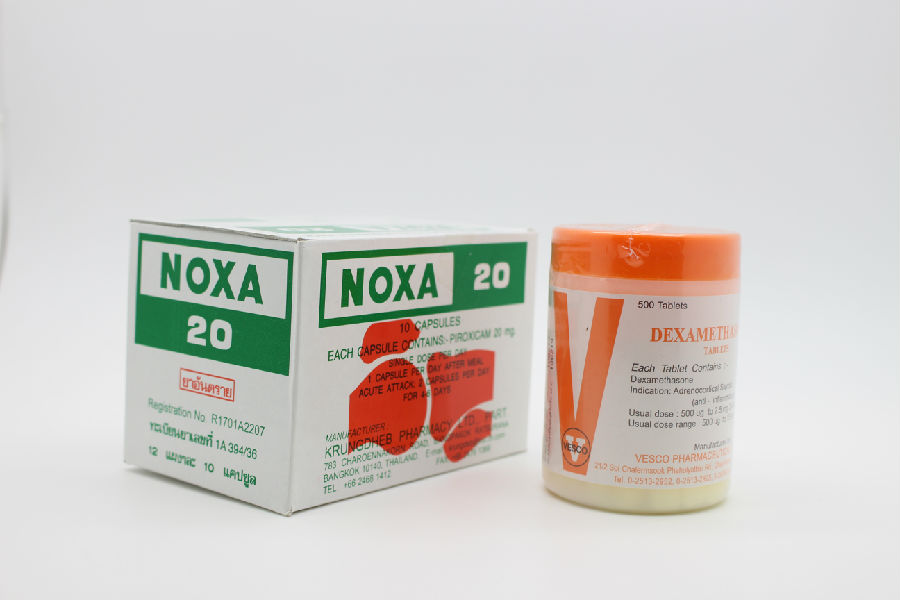
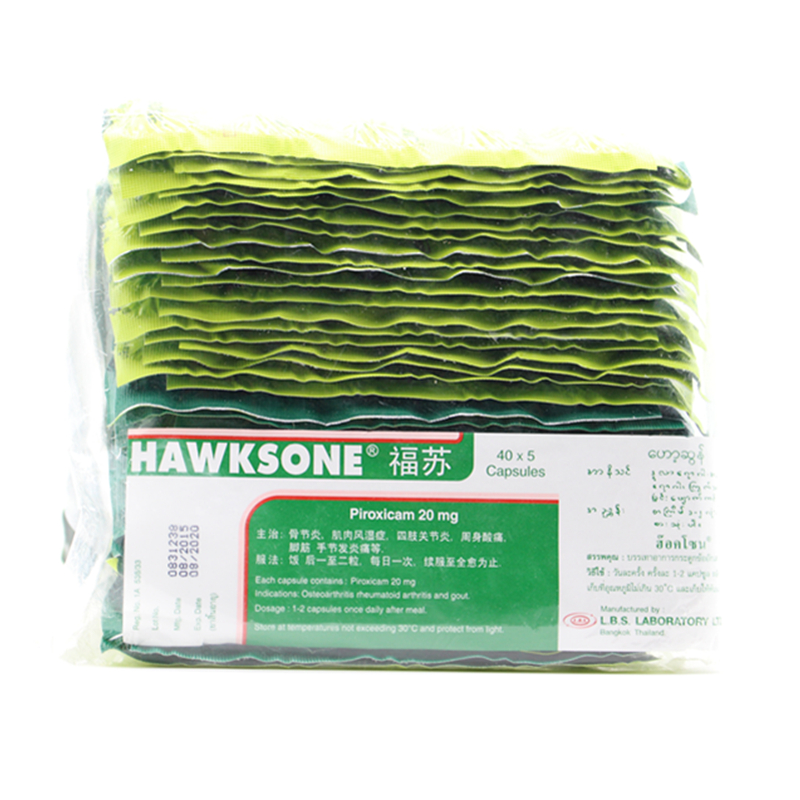
【NOXA20与肾脏】NOXA20的吡罗昔康是NSAID,通过肾脏代谢。长期或大剂量使用可能加重肾脏负担。
【注意】已有肾功能不全者应慎用NOXA20。急性发作时医生可能选择其他药物。不要自行长期服用。
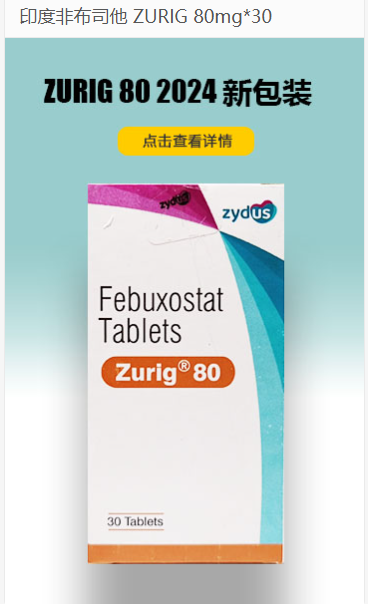
【降尿酸护肾】别嘌醇、非布司他降尿酸治疗同时保护肾脏。目标尿酸360以下。
Urate crystals deposit not only in joints but also damage kidneys. Gout patients must prioritize kidney protection, especially NOXA20 users.
Uric acid excretion: About 70% of uric acid is excreted through kidneys. In hyperuricemia, urate crystals deposit in renal tubules and interstitium, causing chronic interstitial nephritis.
Uric acid kidney stones: Uric acid forms stones in the urinary tract, causing flank pain, hematuria, and renal colic. Kidney stone incidence in gout patients is about 10-20%.
Kidney monitoring: Gout patients should regularly test serum creatinine, BUN, and urinalysis. Detect kidney damage early.
Kidney protection: Drink more water (2+ liters daily), control blood pressure, avoid overusing painkillers (including NSAIDs), and do not hold urine.
NOXA20 and kidneys: Piroxicam is an NSAID metabolized through kidneys. Long-term or high-dose use may burden kidneys.
Note: Those with existing renal impairment should use NOXA20 cautiously. Doctors may choose alternatives for acute attacks. Do not self-medicate long-term.
Uric acid-lowering protects kidneys: Allopurinol and febuxostat lower uric acid while protecting kidneys. Target below 360.

▲定期检查













 咨询客服